168.100.39 Router Login and WiFi Setup Guide
The 168.100.39 router login and WiFi setup guide presents a structured approach to secure administration. It outlines safe access, credential management, and initial setup steps with emphasis on strong passwords and HTTPS. It also covers ongoing protections for the wireless network, firmware updates, and change governance. While the fundamentals are clear, the document hints at deeper configuration nuances and policy considerations that warrant careful continuation. The next sections promise concrete procedures and safeguards.
What Is the 168.100.39 Router Login and Why It Matters
The 168.100.39 router login is the entry point to configuring the device’s network settings, access controls, and firmware updates. It establishes fundamental control over data flow, security posture, and firmware integrity.
This entry point supports experimentation and customization within policy constraints, enabling informed discussion ideas and deliberate router branding choices that reflect performance, reliability, and user autonomy without compromising systems.
How to Reach the Admin Page Safely and Quickly
To reach the admin page safely and quickly, users should ensure a trusted device is connected to the 168.100.39 network and enter the router’s default gateway address into a secure browser.
The procedure emphasizes quick login, a strong password, and minimal surface exposure.
Restrict access, verify certificate warnings, and enable HTTPS where possible for resilient administrative control.
Essential Login Credentials and First-Time Setup Steps
Access to the router requires initial credential setup and device-wide configuration to establish a secure administration posture. The procedure specifies standardized login credentials defaults, followed by mandatory first time setup steps. Users verify account ownership, update credentials, and define administrative roles. Documentation emphasizes repeatable, auditable actions. Topic ideas: login credentials, first time setup.
Secure WiFi Setup: SSID, Passwords, and Basic Protections
Following the initial credential and device-wide setup, attention shifts to establishing a secure wireless network. The section outlines SSID selection, avoiding personal identifiers, and robust passwords, ideally 12–16 characters combining letters, numbers, and symbols. It emphasizes secure firmware, timely updates, and firewall defaults, plus disabling WPS. It presents basic protections, auditability, and traceable changes for freedom-focused, disciplined configuration.
Frequently Asked Questions
Can I Login With a Guest Account on 168.100.39?
Yes, a guest account may log in if the device enables guest access. The system emphasizes login security and guest access controls, detailing session limits, timed credentials, and isolated network privileges for non-authorized users.
What to Do if the Admin Page Won’T Load?
Login page fails; calmly, the system remains offline. The narrative notes offline troubleshooting steps: verify connection, clear cache, reboot, test alternative device, check IP, disable VPN, and assess router login issues with patience and precision.
How to Reset the Router to Factory Settings?
The reset procedure involves powering the device, locating and holding the reset pin for ten seconds, then releasing. Factory reset steps restore default settings, erasing custom configurations and passwords, enabling reconfiguration from scratch with secure defaults.
Is There a Mobile App for 168.100.39 Management?
There is no dedicated mobile app for 168.100.39 management. Instead, features migrate to web-based interfaces and remote tools; parallel in approach, the mobile app features are absent, while the firmware update process remains manual and protocol-driven for control.
Does the Router Support 802.11ax (Wi-Fi 6)?
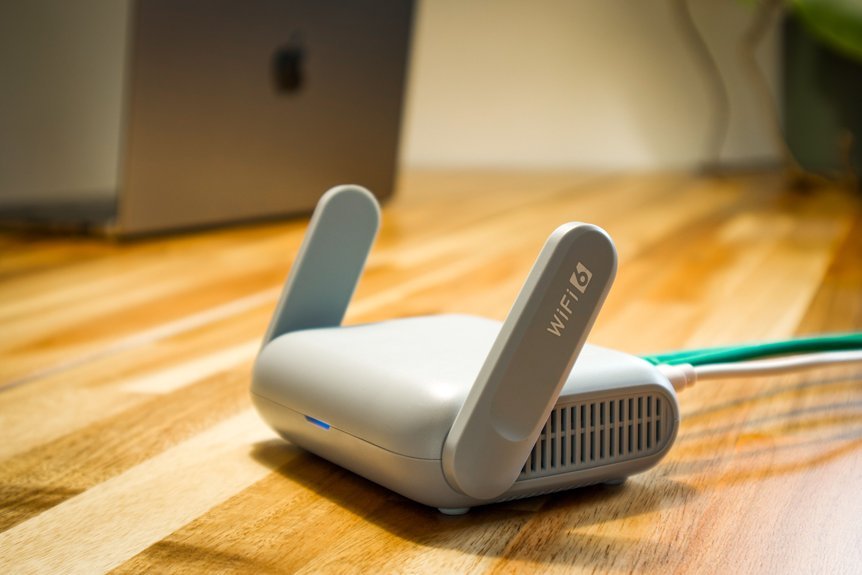
The router does/does not support 802.11ax (Wi-Fi 6). Discussion ideas focus on Network performance, including throughput, OFDMA, MU-MIMO, and latency. This analysis motivates freedom to optimize settings while balancing stability and compatibility.
Conclusion
In the network’s quiet spine, the admin page stands as a lighthouse, its HTTPS beacon cutting through fog of risk. Credentials become the key and compass, guiding access away from stormy corners toward calm, auditable change. Regular firmware acts as weatherproofing, while a non-personal SSID and disciplined WPS suppression keep signals from wandering. When changes are logged, the grid reveals its true horizon: secure connectivity, resilient operations, and trust earned bit by bit, through deliberate, precise stewardship.