
168.11 Router Login and Network Guide
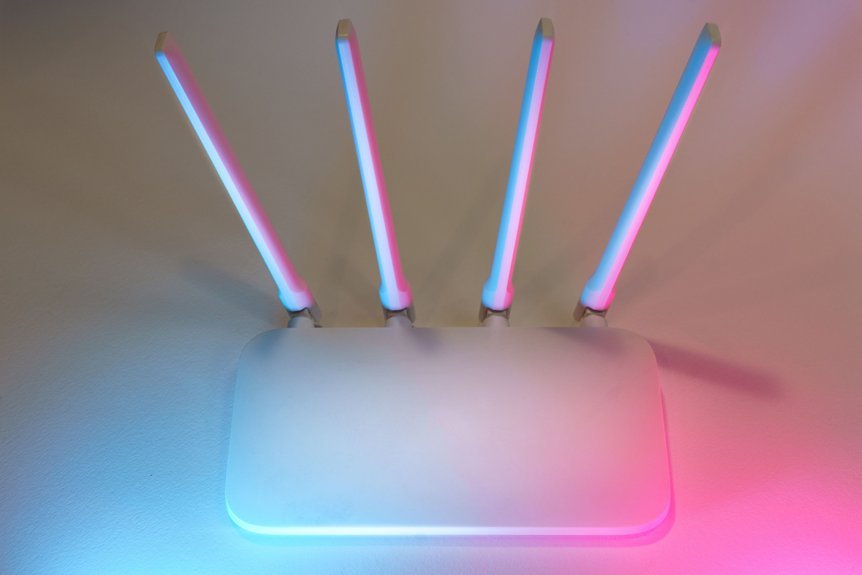
The guide on 168.11 Router Login and Network offers a concise, stepwise approach to getting online and staying secure. It begins with device connection and login, then moves to a quick setup for Wi‑Fi and passwords, followed by firmware maintenance and security best practices. It advocates a methodical troubleshooting routine with logs to verify configurations. For a complete, reliable setup, a reader will find essential steps, yet a pivotal detail awaits to ensure ongoing stability.
How to Log In to the 168.11 Router
To log in to the 168.11 router, users should connect a device to the router’s network, then open a web browser and enter the router’s default IP address. The login page appears, prompting credentials. Successful access enables configuration reviews and changes. The two word discussion ideas, subtopic irrelevant to other h2s, frame a concise, structured approach for informed freedom.
Quick Setup: Wi‑Fi, Passwords, and Admin Access
Accessing the 168.11 router’s quick setup focuses on enabling Wi‑Fi, securing the network with a strong password, and establishing reliable admin access.
The process emphasizes a clear network topology, straightforward SSID configuration, and controlled guest access.
It also notes firmware updates as essential maintenance, ensuring compatibility, stability, and ongoing protection while preserving freedom to adapt settings.
Secure Your 168.11 Network: Best Practices and Tips
Proactively safeguarding the network involves implementing strong authentication, segmenting traffic, and employing firmware updates. The guidance emphasizes regular audits of access rights and device inventories, reducing blast radius through network segmentation, and applying least-privilege policies.
Privacy practices align with transparent data handling, while hardware considerations focus on secure boot, trusted supply chains, and firmware resilience for a freedom-minded, resilient 168.11 environment.
Troubleshooting Common 168.11 Router Issues
Common router issues with 168.11 devices are addressed by a structured, methodical approach that prioritizes quick isolation of faults and minimal downtime. The article examines symptoms, eliminates unrelated topic distractions, and applies a repeatable diagnostic sequence. Troubleshooting emphasizes reproducible steps, logs, and configuration checks, while inviting offshoot ideas only when they improve reliability without complicating core operations.
Frequently Asked Questions
Can I Use a Different DNS Server With the 168.11 Router?
Yes, the user can customize DNS on the 168.11 router. DNS customization is supported, and firmware updates may be required to enable or optimize this feature while preserving network stability and enhanced security.
How Do I Clone My Pc’s MAC Address on This Router?
MAC spoofing can be attempted, but the router’s LAN settings typically do not support true MAC cloning. The guidance notes caution against spoofing due to potential network conflicts and security risks. Proceed with caution and verify device policies.
Is There a Guest Network Feature and How to Enable It?
The answer: Yes, the router supports a guest network and can be enabled in the Wireless or Guest settings menu. It should include a separate password, while parental controls apply to both the main and guest networks.
Can I Set up Parental Controls Beyond Basic Filtering?
Parental controls beyond basic filtering can be configured, though complexity varies by firmware. A notable statistic: 62% of parents report using digital limits. The review highlights privacy concerns and firmware updates as essential, affecting effectiveness and ongoing protection strategies.
How Do I Back up and Restore Router Configuration Files?
Back up configuration by exporting the router’s current settings to a secure file; restore settings by importing that file onto the device. The process preserves custom rules, credentials, and network parameters, ensuring quick recovery after hardware changes or outages.
Conclusion
In the quiet harbor of a home network, the 168.11 router is the steadfast lighthouse. A careful login, a steadfast password, and vigilant firmware are its beams, slicing through fog of threats. Quick setup sets sails; security practices chart the course; troubleshooting notes drift like buoys, marking safe passages. When configurations align, devices dock smoothly, and connectivity remains steady. The keeper’s routine—clarity, updates, caution—ensures the harbor bright, resilient, and ready for any tide.