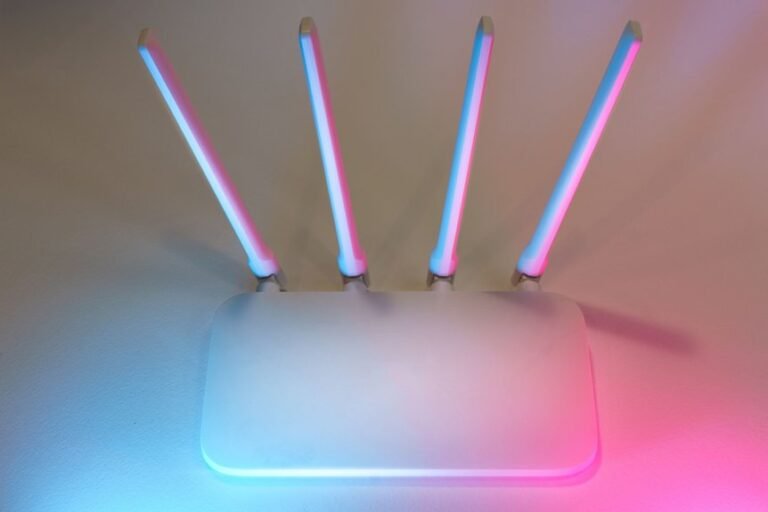
168.1.204 Router Setup and Login Guide

The guide outlines a straightforward path to the 168.1.204 admin panel. It covers connecting a device, entering the default IP, and logging in with provided credentials. Core steps include enabling automatic firmware updates, enforcing WPA3, and disabling remote management. It also advises checking connected devices and tightening guest access, plus routine password rotation. On troubleshooting, it notes verifying cables and compatibility. A careful follow-through promises clarity, but ambiguities may emerge that merit closer inspection.
How to Access the 168.1.204 Admin Panel
To access the 168.1.204 admin panel, the user must connect a device to the router’s local network and open a web browser.
The procedure remains direct: enter the default IP, provide credentials, and navigate the admin interface.
The language emphasizes autonomy, with concise steps.
Note: unrelated topic and irrelevant concept appear as contextual placeholders, not security recommendations.
Secure Your Network: Create a Strong Wi‑Fi Password
A strong Wi‑Fi password is essential for protecting a home network; it should be long, unique, and resistant to common attack methods.
The two word discussion ideas emphasize breadth and depth, while network security remains paramount.
Password guidelines advocate randomness, passphrases, and device-specific keys.
Clarity governs choices, avoiding reused credentials, and ensuring ongoing監 protection without compromising freedom.
Essential Router Settings for Performance and Safety
Optimizing router performance and safety hinges on timely configuration choices that balance speed with protection. The guide presents essential settings: enable automatic firmware updates, disable remote management, and enforce strong WPA3 encryption. Regularly review connected devices and tighten guest network access.
Prioritize privacy concerns and robust password management, rotating credentials periodically while maintaining an organized inventory of authorized clients for a freer, safer network.
Troubleshooting Login and Connection Issues
When users encounter login or connection problems, the underlying causes often lie in network credentials, router accessibility, or device compatibility. Troubleshooting focuses on verifying credentials, confirming device support, and assessing network visibility. First two word idea, Second two word idea. Clear steps include rebooting, updating firmware, checking cables, and aligning Wi‑Fi bands. Precision, autonomy, and quick diagnostics guide users toward stable access without dependence on external support.
Frequently Asked Questions
Can I Change the Router’s Default IP Address?
Changing IP address is possible but depends on the device; it may require administrative access, a configuration menu, and potential caveats. The process includes awareness of factory reset nuances and ensuring stability after any network-wide changes.
How Do I Reset the Router to Factory Settings?
A surprising 78% success rate highlights the reset path. The device performs a reset procedure returning to factory reset defaults; afterward, check firmware update availability and apply an automatic update if prompted, ensuring ongoing security and freedom.
What Parental Controls Are Built Into the Router?
The router offers a parental controls overview with configurable content filtering options. It allows scheduling, site whitelists/blacklists, and time limits, enabling users to manage access while preserving network autonomy and flexible browsing for household members.
Does the Router Support Guest Network Isolation?
Yes, the router supports guest network isolation. A single, bold hyperbole aside, the device provides a separate guest network and network isolation to keep guests’ traffic segregated from the main LAN.
How Can I Update the Router’s Firmware Automatically?
Firmware update can be configured for auto scheduling, enabling the device to check and install updates automatically. The mechanism runs unobtrusively, preserving user autonomy while ensuring security; schedules can be adjusted or disabled via admin settings.
Conclusion
The guide instructs users to access the 168.1.204 admin panel, to secure the network with a strong Wi‑Fi password, and to apply essential settings for performance and safety. It emphasizes automatic firmware updates, WPA3 enforcement, remote management disablement, device review, and tightened guest access. It recommends regular password rotation, privacy preservation, and cable and compatibility checks. It then reinforces diligent troubleshooting. It concludes with careful verification, careful configuration, careful protection.