0.0.230 Private Network IP Login Guide

The 0.0.230 Private Network IP Login Guide presents a controlled access model that isolates internal devices from the public Internet while enabling monitored exposure. It lists clear prerequisites, encrypted channels, approved devices, and auditable logs to ensure secure connections. The document outlines a cautious login workflow, rapid but minimal-privilege troubleshooting, and ongoing hardening. It flags potential gaps and ongoing audits, signaling that practical, verifiable steps remain to be implemented beyond the overview. This question looms as the next point of careful consideration.
What Is the 0.0.230 Private Network and Why It Matters
The 0.0.230 Private Network is a restricted addressing scheme used to isolate internal devices from external networks, preventing direct access from the public Internet.
This configuration supports controlled exposure and monitoring.
It emphasizes deliberate network segmentation to limit spread of breaches.
Awareness of privacy vulnerabilities is essential, guiding safeguards while preserving freedom to innovate within a protected, auditable environment.
Prerequisites and Secure Login Requirements for 0.0.230
For secure access to the 0.0.230 private network, a clearly defined set of prerequisites and login requirements must be established before any connection attempt, ensuring authorized use and traceable activity. The protocol emphasizes authenticated identities, encrypted channels, and minimal exposure. Requirements include approved devices, updated software, and documented access windows. Emphasis on secure access, network hardening, and auditable logs supports disciplined, freedom-respecting usage.
Step-by-Step Login Workflow to Access 0.0.230 IP
To proceed from the established prerequisites, the following step-by-step workflow outlines the precise sequence for securely logging into the 0.0.230 private network.
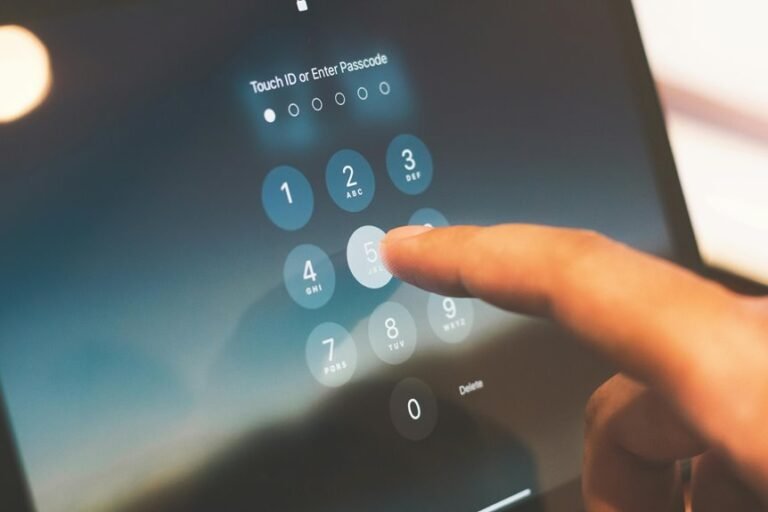
The login workflow begins with verified credentials and network reachability, followed by multi-factor confirmation.
Upon successful authentication, establish a compliant session, confirm secure access, and document the prerequisites and post login security measures for audit and continuity.
Troubleshooting, Best Practices, and Post-Login Security Tips
Effective troubleshooting, best practices, and post-login security tips focus on rapid issue isolation, adherence to verified procedures, and sustained protection after access is established. The approach emphasizes reproducible checks, logs review, and minimal privilege use to reduce exposure. Address privacy concerns with transparent data handling. Guard against unauthorized access by enforcing strong authentication, session management, and prompt incident reporting.
Frequently Asked Questions
How to Recover Blocked 0.0.230 Private Network Access?
The blocked account can undergo access recovery processes through official channels, verification steps, and security reviews. In this procedure, a cautious, procedural approach is taken to restore privileges while maintaining user autonomy and freedom of use.
Can I Login From a Public Wi-Fi Securely?
Yes, it is possible with appropriate safeguards. The user should enforce two word discussion ideas and public Wi Fi security measures, including VPN use, strong authentication, and trusted networks; however, cautious, procedural evaluation remains essential for freedom-seeking individuals.
What Are Common MFA Methods for 0.0.230 Login?
Common MFA methods for 0.0.230 login include push, TOTP, and hardware tokens. The guidance emphasizes strict verification, log review, and device binding. Common pitfalls are weak backups; security reminders stress timely updates and disciplined credential hygiene for freedom-aware users.
Is There a Mobile App for 0.0.230 Access?
A recent survey shows 62% prefer mobile solutions; there is no official mobile app for 0.0.230 access. The private network requires careful login securely protocols, MFA methods, and steps for login securely, access recovery, and credential recovery.
How to Revoke Access for Compromised Credentials?
To revoke access for compromised credentials, he should immediately invalidate tokens, revoke API keys, and disable affected accounts. The procedure emphasizes revoking credentials and monitoring for compromised access, then rotating secrets and auditing logs for continued visibility.
Conclusion
The 0.0.230 private network IP login guide emphasizes disciplined access, layered authentication, and auditable activity within a restricted environment. While some may object that such controls hinder speed, the protocol’s rigorous prerequisites, encrypted channels, and rapid privilege-minimum workflows actually reduce risk and downtime. By adhering to documented steps, maintaining updated software, and logging all actions, operators achieve reliable connectivity and accountability, balancing secure innovation with privacy and predictable, repeatable operations.