
168.178.60 Router Login and Settings Guide
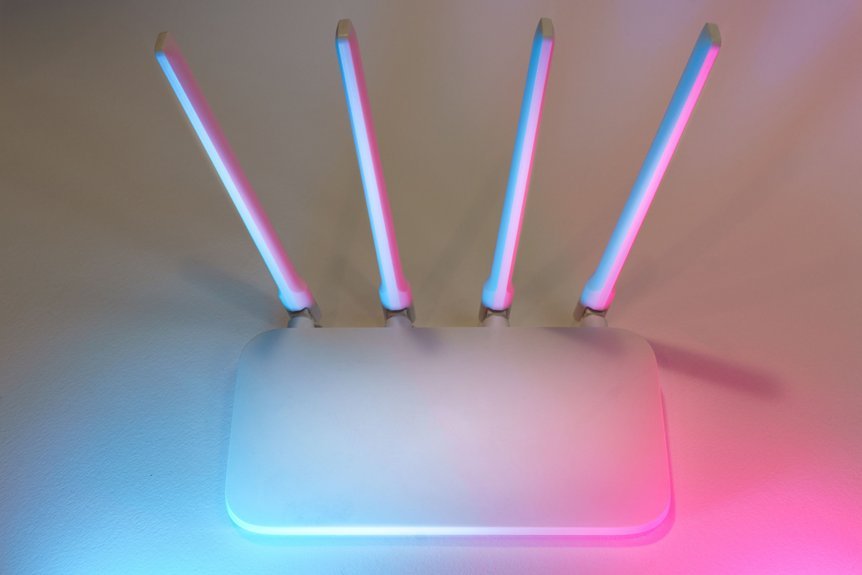
The guide on the 168.178.60 router login adopts a precise, security-first approach. It outlines where the login page resides, how to verify firmware status, and steps to run local diagnostics before access. It emphasizes wired or secured connections, authenticated entry, and minimal exposure during login. It also covers updating credentials, firmware, WPA3, and disciplined parental controls. The methodical tone invites consideration of safeguards and future-proof configurations, leaving a clear rationale to proceed with caution and thorough preparation.
How to Find the 168.178.60 Router Login Page
To locate the login page for the 168.178.60 router, begin by ensuring the device is connected to the router’s network, either via Ethernet or a secure Wi-Fi connection.
The procedure prioritizes accuracy and security, minimizing exposure.
A disciplined approach analyzes router firmware status and runs local network diagnostics to confirm accessibility and integrity before attempting authentication.
Entering Default Credentials and Accessing the Admin Panel
Access to the admin panel requires using the router’s default credentials, if they have not been previously changed. This section describes disciplined steps for entry, emphasizing verified identity and minimal exposure. When accessing, focus on configuring router password securely, avoiding default values.
Afterwards, implement updating firmware security measures to preserve integrity, and document changes for future audits and freedom-driven resilience.
Essential Wi‑Fi and Security Settings You Should Configure
After establishing the admin interface security, attention shifts to the wireless configuration that directly affects network integrity and user privacy. The article outlines essential Wi‑Fi and security settings with a precise, methodical approach. Configure strong SSID naming, WPA3 where available, unique passphrases, and firmware updates, avoiding parsing errors and unrelated topics that could erode freedom and security. Clear, deliberate choices protect privacy.
Parental Controls, Guest Network, and Device Management
Parental controls, guest networking, and device management are treated as integral components of a secure home network, with each feature configured to enforce policy, monitor activity, and minimize risk.
The guide presents precise security settings, enabling transparent oversight without restricting freedom.
Parental controls balance autonomy and protection, while a robust guest network and disciplined device management preserve privacy, performance, and trusted connectivity.
Frequently Asked Questions
How to Update Router Firmware on 168.178.60?
To update router firmware, one should verify vendor release notes, download the latest version, and apply via the admin interface. The process emphasizes update frequency, security hardening, and none, ensuring controlled downtime and verifiable integrity checks.
What to Do if Default Login Credentials Don’T Work?
If default credentials fail, the user should perform a factory reset, then reconfigure with a unique admin password and updated security settings. Two word ideas, Subtopic Irrelevant; Nonessential Topics, ensure firmware is current and access is restricted. Security.
How to Reset the Router to Factory Settings?
The device should be reset using the reset button to perform a factory reset, then firmware rollback is not recommended unless necessary for compatibility. Version control logs must be reviewed, ensuring security before reconfiguration for freedom-respecting users.
How to Backup and Restore Router Configuration?
Backing up and restoring router configuration involves creating backup methods, storing restore points, and verifying integrity; it mitigates firmware issues and login problems, supports IP changes, and avoids unnecessary factory resets while preserving user freedom and security.
Can I Change the Router’s IP Address Locally?
Yes, a manual local IP change is possible by accessing the router’s admin interface, applying a new address, and confirming network continuity; after changes, update password, configure guest network, and verify connected devices for security.
Conclusion
In sum, the guide presents a meticulous, security-first path to router access and hardening. By verifying firmware, using a protected connection, and updating credentials, users erect robust defenses around network entry. With disciplined configuration—WPA3, unique passphrases, and prudent parental controls—the system stands as a fortress. A single, steady beacon of caution: never disclose admin details. This approach keeps performance steady and privacy intact, like a lighthouse guarding a quiet harbor.