
0.0.250 Router Login and Network Settings Guide
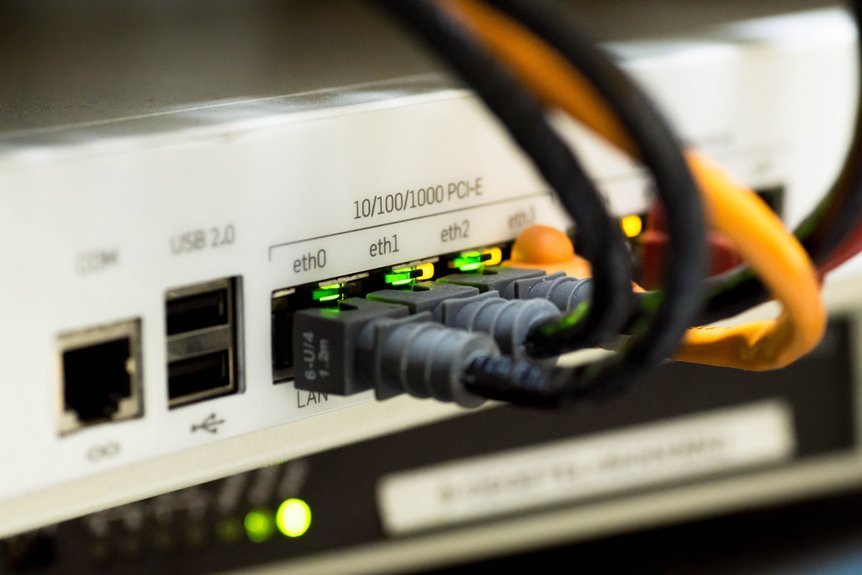
The guide on the 0.0.250 router login and network settings presents a disciplined path to secure admin access and initial configuration. It emphasizes default credentials, firmware updates, and careful setup to minimize risk. Key Wi-Fi choices—SSID, channel, bandwidth, guest access, and WPS disablement—are outlined with concrete steps. It also frames ongoing monitoring and a structured troubleshooting-to-recovery workflow. A grounded foundation invites further details that tighten control and reproducibility.
How to Access the 0.0.250 Admin Panel
To access the 0.0.250 admin panel, users should connect a device to the router’s network and open a web browser. Access is secured via a local login, with exact IP and credentials documented by policy. Review security audits, firmware updates, and networking basics, then configure guest networks, router placement, parental controls, device prioritization, and firewall rules for freedom and control.
Default Credentials and Initial Setup Steps
Default credentials should be documented and kept secure before any configuration begins.
The initial setup steps are deliberate and minimal: access the admin portal, change default passwords, enforce strong password hygiene, and log essential details.
Informed users debunk networking myths that insecure defaults persist.
This procedure emphasizes clarity, repeatability, and disciplined credential management to sustain safe, autonomous network operations.
Key Wi-Fi and Network Settings You Should Customize
Key Wi-Fi and network settings should be customized to balance performance, security, and reliability. The guide emphasizes disciplined configuration: channel selection, bandwidth, and SSID naming for clarity; prioritize firmware updates and routine wifi optimization practices; enable guest networks when appropriate; disable WPS; configure strong passwords; monitor device isolation; document changes to maintain consistent, flexible network behavior aligned with user autonomy.
Troubleshooting, Security Best Practices, and Reset Options
Troubleshooting, security best practices, and reset options detail a methodical approach to diagnosing connectivity issues, hardening the router, and restoring default configurations when necessary. A structured process emphasizes a security audit, verification of device access controls, and minimization of exposure.
Firmware update checks ensure firmware integrity, while reset options provide controlled recovery without compromising ongoing network reliability.
Frequently Asked Questions
What Is the Warranty on the 0.0.250 Router?
The warranty terms specify coverage for one year, detailing return policy options, firmware update support, and limited hardware protection; features include guest network, parental controls, and port forwarding, with exceptions described in the documentation for freedom-minded users.
How to Update Firmware Manually?
The manual firmware update process requires downloading the correct file, accessing the device’s admin panel, and uploading the package. It proceeds with verification, reboot, and stabilization, ensuring a safe, controlled update that preserves settings and performance.
Can I Set up Guest Networks Separately?
Yes, it supports a guest network with a separate setup; enables firmware for parental controls, enablement, and port forwarding; configuration is methodical, precise, and freedom-minded, allowing independent guest network management without impacting main networks.
How to Configure UPNP and Port Forwarding?
Is UPnP basics sufficient, or should one prefer manual control with Port forwarding basics? It is recommended to enable UPnP cautiously, then map specific ports, ensuring secure exposure; otherwise, use static port forwarding for critical services.
What Parental Controls Are Available and How to Enable Them?
Parental controls are available; content filtering and time limits can be configured. The device supports firmware updates, guest networks, upnp settings, and port forwarding. Enable controls via the administration interface, then customize rules for diverse user needs.
Conclusion
In summary, the 0.0.250 router guide delivers a disciplined, methodical path to secure access and stable network operation. It emphasizes credential hygiene, firmware updates, and careful initial configuration, followed by vigilant monitoring and routine audits. By implementing strong Wi‑Fi settings and isolated guest networks, administrators maintain control while minimizing risk. The process resembles a well-tuned mechanism: each component aligns precisely, ensuring reliability, security, and reproducible changes, like gears meshing flawlessly in a well‑oiled clock.