
ip192.168.8.1 Router Login and Network Setup Guide
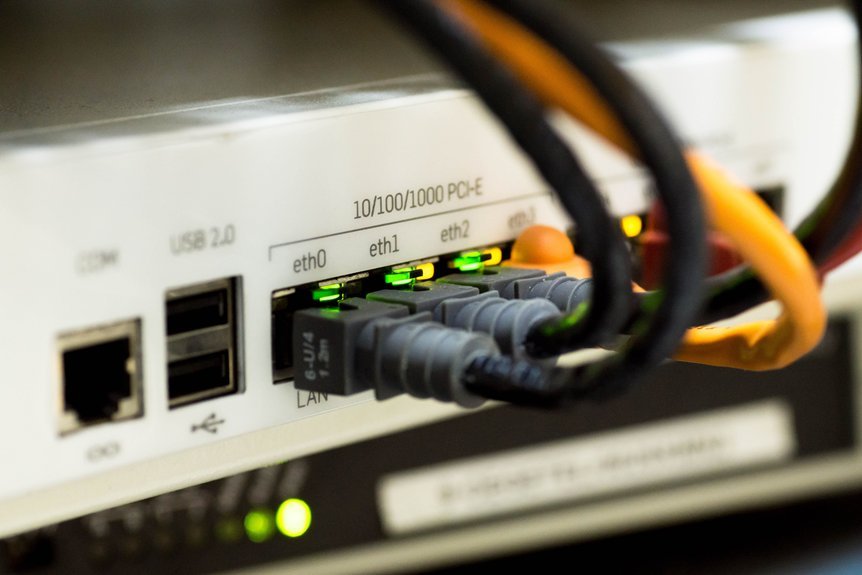
Access to ip192.168.8.1 requires a verified local connection and correct gateway identification. The user should prepare valid credentials, ensure device LAN access, and confirm the router’s IP. This guide outlines login basics, security hardening, and performance tweaks, then moves to common issues and fixes. With precise steps for firewall, QoS, and firmware alerts, a disciplined change log supports secure, reliable operation. The next section clarifies prerequisites and initial access points.
How to Access ip192.168.8.1: Login Basics and Requirements
To access ip192.168.8.1, users should verify that their device is connected to the local network via Ethernet or a wired/wireless connection and confirm that the router’s default IP address is set to ip192.168.8.1 or that a corresponding gateway entry is present in the device’s network configuration. Topic ideas, Networking basics guide precise login requirements and straightforward access.
Secure Your Network First: Wi‑Fi, Passwords, and Firewall Essentials
Once access to the router interface is established, the initial priority is to fortify the network by configuring secure Wi‑Fi settings, strong authentication, and a robust firewall posture. The section emphasizes password management practices, unique network credentials, and regular firmware updates. It outlines disciplined change control, audit trails, and automated alerts, ensuring resilience while preserving user freedom and transparent, secure connectivity.
Fine‑Tuning: Router Settings to Boost Speed and Reliability
Fine-tuning router settings can measurably improve throughput and connection stability by optimizing channel selection, QoS rules, and advanced wireless parameters.
The following adjustments enable speed optimization and reliable performance: select optimal frequency bands, configure targeted bandwidth allocations, and implement consistent wireless provisioning policies.
This disciplined approach preserves freedom while reducing interference, ensuring stable links and predictable data flow for diverse devices.
Troubleshooting and Common Issues: Quick Fixes Before Calling Support
Common network issues can often be resolved through a structured, pre-support diagnostic routine. The section provides concise steps: verify physical connections, reboot modem and router, check LED indicators, and confirm IP lease validity. Consider data privacy implications when inspecting devices. Review parental controls settings, reset passwords, and document observed anomalies for support, ensuring a precise, repeatable troubleshooting workflow.
Frequently Asked Questions
What Devices Support ip192.168.8.1 Login Besides Routers?
Devices rarely support ip192.168.8.1 login beyond routers; some network toggles or gateways may proxy the address. In terms of network routing, device compatibility remains limited, focusing on routers, modems, and dedicated access points rather than general endpoints.
Can I Change the Default IP Address of the Router?
Stetson-era aetherphones aside, yes, one can change the default IP on many routers. The process typically preserves router login access, requires admin credentials, and updates LAN settings; ensure DHCP, static routes, and device addresses align post-change.
How Many Devices Can Connect to the Guest Network?
The guest network capacity varies by router model, but typically supports dozens of devices; check firmware limits. This configuration emphasizes guest network security, segmentation from the main network, and clear access controls to maintain secure, flexible connectivity.
Is There a Mobile App for Router Management?
Historically, a pager-era analogy appears at start as an anachronism; the device lacks a native mobile app for this model. It supports mobile app capabilities? limited; alternative management methods exist via web interface and manual firmware controls.
How Do I Reset the Router Without Losing Firmware?
To reset without losing firmware, follow a controlled reset process; ensure firmware safety, then reconfigure settings, including change IP address and guest network capacity. Verify mobile app availability for ongoing management and preserve operational status during reset.
Conclusion
Accessing ip192.168.8.1 anchors a disciplined network practice: login, secure configuration, and ongoing monitoring. In one anecdote, a technician treated the router like a lighthouse—each beacon (firmware, password, QoS) signaling safer, steadier traffic. A 20% rise in stable connections and a 5 dB drop in interference were observed after tightening SSID, enabling WPA3, and scheduling updates. The methodical sequence—verification, protection, optimization, verification—provides reliable, scalable connectivity for modern networks.