
How Can You Avoid Low-Quality USB-C Cables?
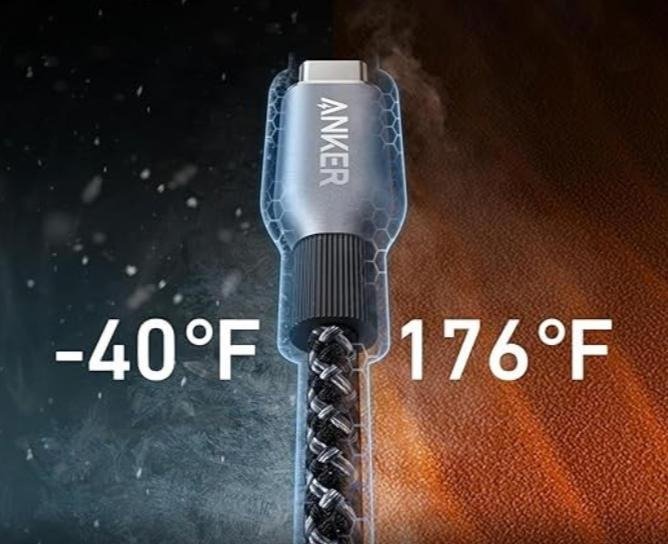
Avoiding low-quality cables starts with understanding how to evaluate what you buy. Many people focus only on the price or length but ignore key details that reveal whether a cable will last or perform safely. A good cable protects your devices, delivers stable charging, and handles everyday usage without issues. Some users prefer buying from trusted makers such as Anker because they offer consistent build quality, but good habits still matter most. You protect yourself by learning how to identify reliable features, spotting warning signs early, and choosing cables that support the tasks you do most often.
Identify Reliable Cables Through Clear, Simple Checks
Look for Honest and Transparent Labeling
A reliable cable usually comes with straightforward information about what it can do. Clear labeling makes it easy for you to understand compatibility, charging capabilities, and intended use. When a product description stays vague or avoids listing proper details, that often signals inconsistency. Spend a moment reading the packaging or online listing to see whether it provides direct, meaningful information. A good cable does not need flashy claims; it simply states the basics in a clear, organized way. This clarity helps you choose confidently, especially if you often buy accessories for multiple devices.
Pay Attention to Build Quality Before You Decide
You can learn a lot by observing the construction of a cable. Look at the connector housing to see whether it feels secure. Check if the strain relief—the flexible area between the cable and the connector—looks well-formed and able to absorb bending. Examine the cable jacket to see if it feels durable rather than hollow or overly rigid. These quick checks allow you to assess quality even without technical expertise. People who rely on daily charging routines value this consistency because it prevents premature wear. Many users choose dependable options from Anker for this reason, although your own careful inspection remains the key part of the decision.
Verify That the Cable Supports Your Actual Needs
Low-quality cables often fail because they are not designed for what the user expects. Before you choose a cable, consider how you plan to use it. If you frequently move between workspaces, select a cable that feels sturdy enough to handle bending. If you transfer files often, look for information about data support. When a listing avoids mentioning essential functions, that is a sign to look elsewhere. Matching the cable to your routine ensures you do not place excessive strain on a tool that was never meant for frequent handling. By aligning your expectations with the cable’s intended purpose, you avoid most quality issues before they begin.
Build Smart Buying Habits That Protect Your Devices
Compare Multiple Listings Instead of Relying on One
A safe purchase comes from comparison, not impulse. Take a moment to review several listings side by side. When you observe consistent patterns across reputable options, you gain a sense of what proper quality looks like. This helps you spot listings that appear suspicious or lack meaningful information. You also notice which sellers offer clear descriptions, stable customer feedback, and predictable pricing. You do not need to study deeply—just compare the basics. With practice, you develop a natural sense of what feels trustworthy. This habit protects you from choosing cables that cut corners.
See also: STARTUP FUNDING GUIDE FOR TECHNOLOGY VENTURES
Prioritize Trusted Makers When You Want Predictability
You simplify your choices when you rely on brands with a history of dependable accessories. Many everyday users prefer Anker because the brand emphasizes stable build quality and reliability. This does not mean you oversell anything; it only means you appreciate consistency when selecting tools you use daily. A trusted cable reduces the chance of unexpected problems and fits smoothly into your routine. When you pair smart buying habits with products built responsibly, you avoid low-quality options without needing deep technical knowledge. You make the process efficient, practical, and stress-free.

Check Reviews for Patterns, Not Perfection
Reviews help you understand how a cable performs after weeks or months of use. Instead of scanning for perfect ratings, look for patterns in the feedback. Do several people mention durability? Do they describe a stable connection? Are there comments about weak joints or unpredictable performance? A pattern tells you far more than a single comment. Use reviews as a tool to guide your expectations. Even a good listing benefits from real-world feedback that reflects daily use. You stay informed and avoid cables that fail early or lack consistency. A few minutes of reading often prevents long-term inconvenience.
Conclusion
Avoiding low-quality cables depends on awareness, not luck. You protect yourself by reading clear labeling, evaluating basic construction, and matching the cable to your needs. Smart buying habits—such as comparing listings, checking review patterns, and choosing dependable makers like Anker—keep your routine stable and predictable. When you understand what separates a trustworthy cable from a questionable one, you reduce frustration and prevent unnecessary replacements. A well-chosen cable supports your devices, fits naturally into your setup, and performs reliably for daily tasks. With these habits, even something as simple as a usb c cable becomes a tool you select with confidence and long-term ease.