
How Many Channels Should Your NVR Camera System Have?
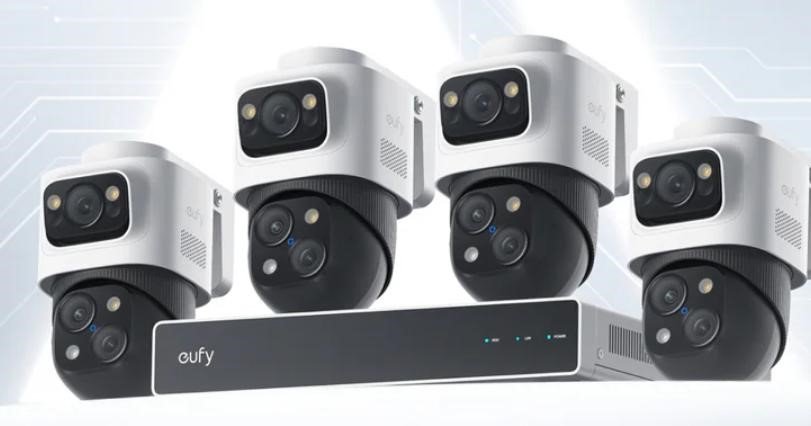
Choosing the right number of channels for your Network Video Recorder (NVR) camera system can seem daunting, but it doesn’t have to be. Knowing your specific security needs and understanding the technology can simplify the decision. With surveillance systems proving ever more critical in safeguarding homes and businesses, selecting a suitable NVR setup is essential. Whether you’re securing a small home or a sprawling business, understanding channel configurations can ensure comprehensive coverage. Multiple variables, such as property size, the number of cameras needed, and future expansion plans, should inform your choice. This article dives deep into typical configurations, key considerations, and future-proofing strategies to help you make an informed decision for your security needs.
Typical Channel Configurations and Their Use-Cases
NVR camera systems come in various channel configurations tailored for different applications. Understanding these setups helps align with your security requirements efficiently, preventing overspending while ensuring adequate coverage.
4-Channel and 8-Channel Systems for Home Use
For homeowners, 4-channel and 8-channel systems are often ideal. These setups allow you to place cameras at key entry points, such as front and back doors, and cover additional critical spots like garages or yards. A 4-channel system is cost-effective for smaller homes or apartments, ensuring essential areas are monitored without unused capacity. On the other hand, an 8-channel system provides the flexibility to add extra cameras, capturing wider angles, and ensuring no blind spots. Popular with brands like eufy, these systems are easily installed and managed through user-friendly interfaces. This flexibility allows homeowners to scale their security solutions as needs evolve, maintaining a balance between comprehensive coverage and cost efficiency.
16-Channel and Above for Business or Larger Properties
Large properties or business environments require more robust security solutions, often necessitating 16-channel systems or higher. These systems accommodate a greater number of cameras, capturing multiple angles across larger spaces. Such setups are vital for businesses needing to monitor customer areas, inventory storage, and perimeters simultaneously. The expansive capacity allows for tailored surveillance strategies, ensuring areas of critical business operations are continuously monitored. Additionally, many businesses prioritize systems from manufacturers like eufy, known for durability and advanced analytics, which support high-resolution videography. Ultimately, choosing a system that aligns with business size and security needs enhances safety while optimizing operational efficiency.
Key Factors That Affect How Many Channels You Really Need
Determining the right number of channels goes beyond simple coverage needs. It involves a careful consideration of technical specifications and system capabilities. Factors like camera resolution, frame rate, network bandwidth, and storage all play crucial roles in deciding the ideal configuration.
Camera Resolution, Frame Rate & Bitrate
Higher camera resolutions offer sharper images, essential for identifying details like faces or license plates. However, they require more processing power and bandwidth. A high frame rate ensures smooth video playback, crucial for critical scenarios like motion detection. Bitrate, a vital yet often overlooked aspect, dictates video quality and impacts storage use. It’s crucial to balance these factors: while high-quality output is desirable, it should not exceed the NVR’s processing capacity or your network’s limits. Prioritize configurations that provide the necessary detail levels for your specific security use-case without overburdening system resources.
Network Bandwidth and NVR Processing Capacity
The bandwidth of your network significantly impacts the NVR’s performance. Multiple high-resolution cameras can quickly consume bandwidth, affecting streaming performance. The processing capacity of the NVR must align with this demand; overloading the NVR can lead to dropped frames or degraded video quality. Assess the maximum load your network can handle alongside the NVR’s specifications. This ensures that your system not only installs correctly but also functions optimally under all conditions. Manufacturers often provide guidelines to match the camera and NVR capacity, simplifying the decision-making process for users.
Storage Capacity and Retention Time
Adequate storage is key to retaining surveillance footage over desired periods, allowing access to past incidents as needed. Consider both the number of channels and their video quality when planning storage. The higher the quality and number of channels, the more storage you need. Moreover, regulatory requirements or personal preferences might dictate longer retention times. Assess the storage specifications of potential NVRs and consider integrating expandable storage options if necessary. This ensures that your system can meet both current and future retention needs without frequent upgrades.
Future-Proofing: Planning for Expansion
Investing in a scalable NVR system helps secure future needs as security requirements evolve. Opt for systems with more channels than currently necessary, allowing room for additional cameras without replacing infrastructure. Victorious brands like eufy offer modular solutions, effectively adapting to growing security needs over time. Forward-thinking planning today can save costs and hassle later, ensuring your security setup remains robust and relevant. Evaluate potential property or business expansions, such as additional buildings or increased security requirements, and select a configuration that accommodates anticipated growth. This proactive approach maximizes your investment while safeguarding future security readiness.
Conclusion
Determining how many channels your NVR system needs involves balancing immediate security requirements with future growth potential. By understanding system configurations and technical considerations, you can opt for solutions that fit your unique needs. Consider home systems for simplicity or robust setups for businesses or extensive properties. Key factors like camera specifications, network capacity, and storage play essential roles in ensuring optimal performance. With an eye towards future-proofing, select systems that accommodate growth seamlessly. By aligning these elements thoughtfully, you ensure a sound investment that sustainably protects your assets.