
How to Maintain a Cold Plunge So It Lasts for Years
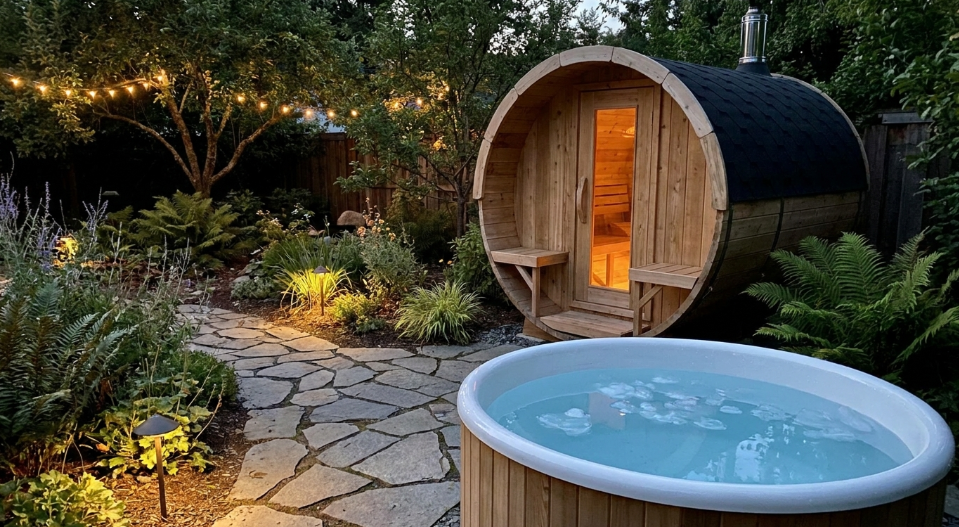
A cold plunge stays clean and mechanically sound through three systems working together: filtration to pull out debris, a sanitizer to control bacteria and algae, and a routine wipe-down of the shell and chiller intake. Tubs running on chlorine or bromine need weekly water testing and dosing. Ozone and UV systems cut down on hands-on chemistry but cost more upfront. A tub with no sanitizing system at all needs a full drain and refill every three to five days to stay safe to sit in.
Chemical Sanitizing: How Do Chlorine and Bromine Compare?
Chlorine is the cheaper, more widely available option, and it breaks down faster in cold water than in a heated spa, which is actually an advantage since it leaves less residual odor on skin. Bromine costs more per dose but stays stable across a wider pH range and is gentler on some people’s skin and eyes, which matters more in a tub used daily than in one used occasionally. Both require a test strip or digital reader checked two to three times a week and a shock treatment on a regular schedule to break down organic buildup from sweat and skin oils. Neither system runs itself; skipping a week of testing is the most common way cloudy water or a faint chemical smell shows up. A basic test kit and a season’s worth of chlorine or bromine tablets runs $40 to $100 a year for most households, a small cost against what a neglected water loop can do to a chiller’s internals over time.
Ozone Generators: What Do They Actually Replace?
An ozone generator injects ozone gas into the water loop, which oxidizes bacteria and organic material without leaving a strong chemical residue. It does not fully replace a sanitizer for every setup, but it substantially reduces how often chemical dosing is needed and tends to leave water feeling cleaner between full water changes. The tradeoff is equipment cost and an additional component that can fail, along with an ozone-safe check on any hoses or fittings, since ozone degrades some plastics over time. For a tub used most days, the reduced chemical handling can be worth the higher initial investment. Most residential ozone units add $200 to $600 to the upfront cost of a setup, and they typically last several years before the generator cell needs replacing, which is a smaller ongoing expense than most owners expect once the initial purchase is behind them.
UV Sterilizers: Where Do They Fit Alongside Filtration?
A UV sterilizer runs water past a UV-C bulb that neutralizes bacteria and algae as it passes through, and it works well paired with a mechanical filter that is already pulling out visible debris. UV alone will not remove skin oils or body sweat that a filter and periodic drain-down still need to handle, so it functions as one layer in a system rather than a stand-alone fix. Bulbs typically need replacement roughly once a year depending on runtime, which is a maintenance cost worth budgeting for rather than discovering when the water starts to smell off. Replacement bulbs generally run $30 to $80, cheap enough that skipping the swap to save money rarely makes sense.
No Sanitizer at All: What Does a Drain-and-Refill Schedule Really Require?
Some owners skip a treatment system entirely and rely on frequent full drains instead, which works for light or infrequent use but gets expensive and labor-intensive for a tub used daily by more than one person. A three to five day refill cycle is a reasonable minimum for a small single-person tub with no filtration or sanitizer, shorter if more than one person uses it or if it sits outdoors collecting debris. Factor in water cost and the time to drain, scrub, and refill before deciding this is the lower-effort option; for many households it ends up being more work than a simple filter-and-chemical routine.
What Wears Out First on a Tub That Is Not Maintained?
Chiller intake filters clog first, usually within a few weeks of skipped cleaning, which forces the compressor to work harder and raises the electric bill before it ever causes a breakdown. Algae staining on the shell interior comes next, harder to scrub off the longer it sits, and finally the chiller’s internal coils can foul from a dirty water loop, which is the most expensive failure to fix. Before choosing a maintenance system, it helps to compare filter kits and sanitizing packages across a few sellers, since pricing and included accessories vary widely: one specialty retailer might bundle a starter chemical kit with the tub while another sells filtration as a separate add-on, and that difference affects the real first-year cost more than the sticker price does.
Does a Well-Maintained Tub Matter for the Recovery Evidence?
The research behind cold-water immersion and recovery generally assumes a properly functioning setup: a specific water temperature held consistently for a set duration, not a tub drifting warmer because a chiller filter is clogged or a sanitizer system has failed. A 2025 systematic review and meta-analysis in PLoS One pooled cold-water immersion trials across a range of health and wellbeing outcomes and found the evidence mixed rather than uniformly positive, which is itself a reason not to assume any tub, maintained or not, delivers a guaranteed effect. A 2023 meta-analysis in Frontiers in Physiology and a 2012 Cochrane review both looked specifically at post-exercise recovery and muscle soreness, drawing on controlled, working equipment rather than a chiller running inconsistently because of neglected upkeep. A tub that cannot reliably hit and hold its target temperature is not really replicating the conditions those studies tested, whatever benefit someone is hoping to get from it.
Frequently Asked Questions
How often should cold plunge water be tested? Two to three times a week for chlorine or bromine systems, less often for ozone or UV setups paired with good filtration, though visual and smell checks should happen daily.
Can I use pool chemicals in a cold plunge? Standard pool-grade chlorine and bromine products generally work, but dosing needs to be scaled down for the much smaller water volume compared with a pool or spa.
How often does a cold plunge filter need cleaning? Weekly for tubs used daily, longer for occasional use, though a clogged filter is one of the most common causes of a chiller running longer than it should.
Is ozone or UV better for a cold plunge? Neither is strictly better; ozone reduces chemical dosing more, while UV pairs well with existing filtration at a lower equipment cost, and some owners run both.
References
- Effects of cold-water immersion on health and wellbeing: A systematic review and meta-analysis, PLoS One, 2025
- Effects of cold water immersion after exercise on fatigue recovery and exercise performance: meta analysis, Frontiers in Physiology, 2023
- Cold-water immersion (cryotherapy) for preventing and treating muscle soreness after exercise, Cochrane Database of Systematic Reviews, 2012


